Business Infographic Design: Graphics for Real Projects
As a graphic designer with years of experience in branding, marketing visuals, and digital product design, I’ve come across countless design assets. Business Infographic Design stands out as a versatile tool that can elevate a project’s visual mood and polish. Whether you're working on a small business branding initiative or a seasonal campaign, this asset offers a structured yet creative approach to visual storytelling.
First Impressions: A Visual Mood for Professional Projects
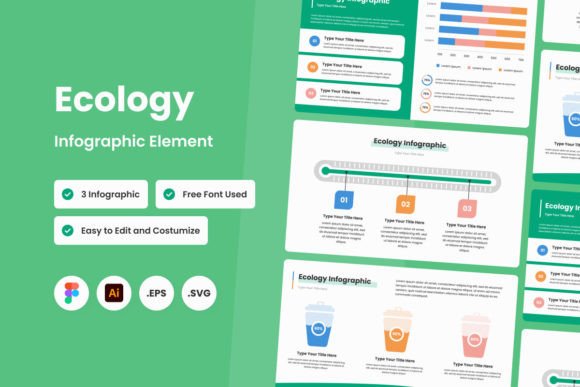
Business Infographic Design immediately conveys a sense of clarity and professionalism. The layout feels intentional, with clean lines, balanced spacing, and a modern aesthetic that aligns well with corporate and commercial design needs. It’s not overly flashy, but it has enough visual interest to stand out without overwhelming the viewer. This makes it ideal for clients who want their brand to feel both credible and approachable.
The style is best described as contemporary and adaptable. It can be used in a variety of contexts, from social media graphics to packaging design, without feeling out of place. The color palette is neutral but flexible, allowing for easy integration into different brand identities.
Real-World Applications: From Brand Identity to Print-On-Demand
When working on a client project, such as a handmade brand or a local event promotion, Business Infographic Design can serve as a foundational element. For example, if a client is launching an Etsy shop, this design asset can be used to create eye-catching product mockups, social media posts, or even printable wall art that complements their overall aesthetic.
In packaging design, it can act as a decorative accent or a supporting element that enhances the visual hierarchy. For a boutique product line, it might appear as a sticker design, t-shirt design, or even a sublimation design for mugs and tote bags. Its versatility makes it a valuable addition to any design bundle.
For digital sellers and print-on-demand entrepreneurs, Business Infographic Design offers a ready-to-use template that can be customized for different platforms. Whether it’s a Canva template or a Cricut project, the file formats provided—SVG, AI, EPS, JPG, and PNG—ensure compatibility across multiple tools and applications.
Best Use Cases: Where It Shines
Business Infographic Design excels in large layout areas, such as hero graphics or campaign visuals. It adds structure and visual interest without competing with other elements. In product mockups, it can be used to showcase how a design will look on a real item, making it a powerful tool for e-commerce and marketing efforts.
It also works well in themed collections, editorial design, and web design projects. When used as a supporting brand element, it helps maintain consistency while adding a professional touch. For social media graphics, it provides a polished look that can be adapted for Instagram posts, Pinterest pins, or digital ads.
Caution Areas: When to Avoid or Adjust
While Business Infographic Design is highly functional, it may not be the best choice for every project. In small sizes, such as icons or thumbnails, the details can become lost or unclear. Similarly, in crowded layouts or complex backgrounds, it may not stand out as effectively as a simpler design.
Minimalist branding or professional corporate materials often require cleaner, more straightforward visuals. If a client’s brand identity leans toward minimalism, this design asset may need to be adjusted or paired with other elements to avoid visual clutter.
Design Considerations: What Every Designer Should Check
Before using Business Infographic Design for a client project, there are several practical checks to perform. Test it in black and white to ensure it maintains its visual impact. Check contrast on light and dark backgrounds to confirm it remains readable and visually appealing in all settings.
Preview it at different sizes to see how it scales. Place it on real mockups to get a sense of how it will appear in the final product. Test print quality if it will be used for physical designs like t-shirts or packaging. Review the file formats carefully—especially if you need SVG or vector editability for future adjustments.
If transparency is involved, inspect the PNG design to make sure it looks good on various backgrounds. Compare it with different font styles, such as serif, sans serif, script, or display fonts, to see how it integrates with your typography choices.
Lastly, always confirm the commercial license before using it for a client or business project. This ensures you’re compliant and avoids any legal issues down the line.
Why It Matters: Impact on Branding and Audience Engagement
Business Infographic Design contributes significantly to readability, hierarchy, and brand consistency. It helps create a cohesive visual language that supports the client’s message and strengthens audience engagement. When used effectively, it builds visual trust and recognition, making the brand more memorable and professional.
Emotionally, it can evoke a sense of reliability and modernity, which is crucial for small business branding or handmade ventures looking to establish credibility. For content creators and bloggers, it adds a layer of polish that elevates the overall quality of their work.
Final Thoughts: A Practical Tool for Creative Professionals
Business Infographic Design is more than just a graphic design asset—it’s a tool that can enhance a wide range of projects. Whether you're working on a print-on-demand product, a digital ad, or a branding campaign, it offers flexibility, professionalism, and visual appeal. With careful consideration and testing, it can become a key part of your creative toolkit.