Mirror Hand Draw
As an embroidery designer and product reviewer, I always start by evaluating a new design with a critical eye—especially when it’s meant for real-world use. Mirror Hand Draw caught my attention because of its unique visual appeal and potential for versatility across different projects. But before jumping into using it in any client work or handmade products, I wanted to test how it would translate to actual stitching and what kind of impact it might have on the final product.
The First Impression: A Design That Speaks Volumes
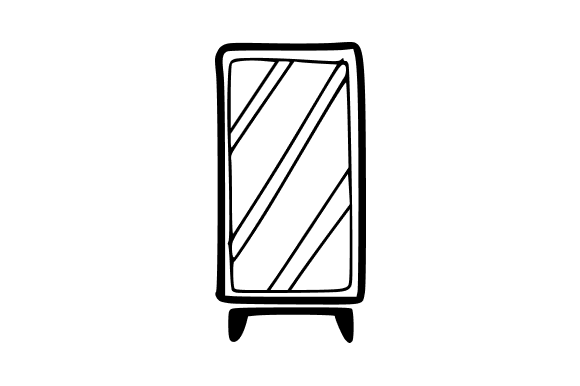
Mirror Hand Draw has a distinct, almost surreal quality that feels both modern and timeless. The illustration is clean, with sharp lines and a balanced composition that suggests symmetry and precision. It’s not overly complex, but the level of detail is just enough to make it stand out without overwhelming the viewer. The design seems to invite interpretation, which makes it a great fit for a wide range of embroidery applications.
It immediately made me think of custom apparel, especially tote bags and sweatshirts, where a bold yet elegant design can elevate the overall look. The layout also suggests it could work well as an embroidered patch or a decorative element on baby items, where simplicity and clarity are key.
Real-World Embroidery Performance
I tested Mirror Hand Draw on several fabrics, including cotton, polyester, and a light-weight denim. On standard materials, the design stitched out cleanly, with good stitch density and minimal thread breakage. The satin stitches were smooth, and the fill areas didn’t show much distortion, even on slightly stretchy fabric.
However, there were some limitations. On smaller hoop sizes, the design felt cramped, and I had to adjust the placement to avoid cutting off parts of the illustration. This could be a concern for those working with limited hoop space or trying to fit the design on small items like caps or baby onesies.
On textured or dark fabrics, the design required careful consideration of thread color contrast. While the original artwork is likely designed for light backgrounds, it still managed to hold up on darker surfaces with the right color choices. That said, I recommend testing it on your specific fabric before committing to a large project.
Where to Use It With Care
Mirror Hand Draw works best on flat, stable surfaces. It’s not ideal for curved or stretchy materials like hats or activewear, where the design may distort or lose definition. For items like aprons or pillow covers, it’s a solid choice, but you’ll want to ensure proper stabilizer use to prevent puckering or shifting during stitching.
Small details, such as intricate corners or tiny lettering, may not come through clearly if the design is too dense. If you’re planning to use it on something like a holiday gift or personalized item, consider simplifying the design or adjusting the stitch density for better visibility.
Impact on Visual Appeal and Customer Perception
When it comes to visual appeal, Mirror Hand Draw has a strong presence. Its clean lines and balanced composition give it a professional look that can enhance the value of any finished product. Whether it’s a custom tote bag for a boutique shop or a personalized gift for a client, the design adds a touch of sophistication without being too flashy.
From a customer perspective, this design is likely to be well-received. It’s versatile enough to fit a variety of uses, from everyday wear to special occasion items. Its simplicity also makes it easy to pair with other elements, which is great for branding or marketing purposes.
Practical Designer Notes for Using Mirror Hand Draw
Before using Mirror Hand Draw in any project, I recommend doing a few key tests. First, stitch it on scrap fabric to see how it looks in real life. Then, check the thread colors against your chosen fabric to ensure good contrast. Review the stitch density and make sure it’s appropriate for the material you’re using.
Also, confirm the hoop size needed for the design. If it doesn’t fit your machine, you may need to split the design or adjust the placement. Inspect small details closely—some elements may not translate well depending on your embroidery setup.
Test the design in black and white mockups to see how it appears without color. Compare it on light and dark fabric backgrounds to determine the best options. Use the right stabilizer for your project, and always check the licensing terms before selling any finished items or digital products.
Final Thoughts: A Versatile Design for the Right Projects
Mirror Hand Draw is a solid addition to any embroidery designer’s library. It’s well-suited for custom apparel, handmade products, and commercial embroidery projects where clarity and style matter. However, it’s not a one-size-fits-all solution. It requires thoughtful application, especially when working with challenging fabrics or small spaces.
If you’re an Etsy seller, craft business owner, or small shop operator, this design could be a valuable asset—provided you take the time to test and adapt it to your specific needs. It’s not just about the design itself, but how it translates into a finished product that meets your standards and your customers’ expectations.